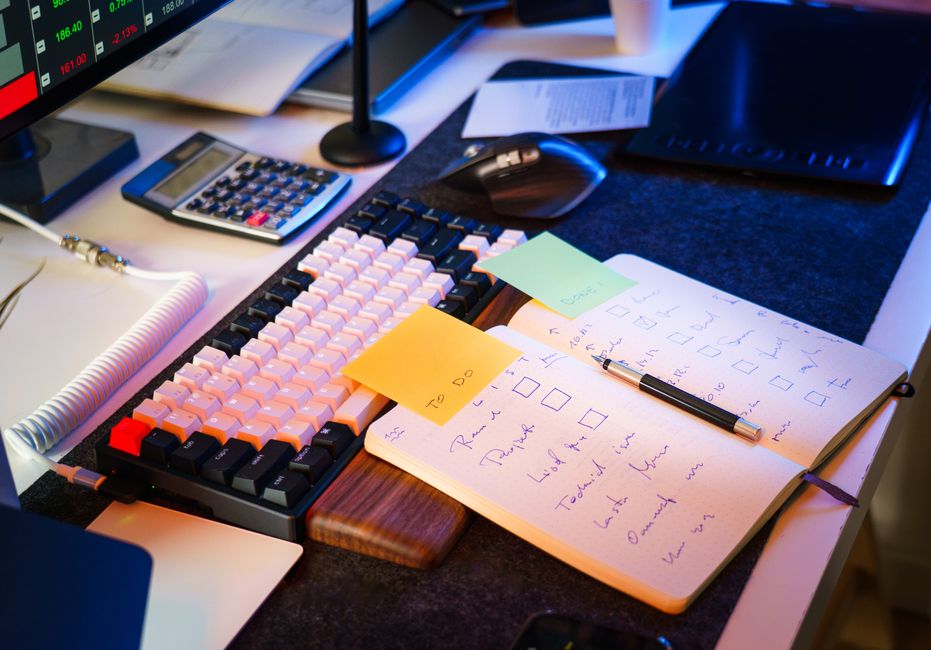
It’s a Tuesday afternoon, and the kitchen table is cluttered with half-finished projects, a cold cup of coffee, and a laptop displaying a browser tab row filled with open tasks. Between the bright glare of the screen and the constant hum of family activity, finding a moment of deep focus feels like searching for a needle in a haystack. As I sit down to tackle the next item on my task list, a reminder popup unexpectedly steals the next ten minutes, pushing me to juggle my attention once again. The desk surface, littered with sticky notes and scattered pens, doesn’t match the mental sequence I need for a productive work session.
Every time I switch tasks, I notice how the clutter on my desk contributes to a fragmented workflow. The visible reminders of what’s left undone create a mental load that pulls me away from the focus block I’m trying to establish. I can’t help but feel the friction of needing to close unused tabs while simultaneously managing interruptions. Each missed check and disorganized object makes it harder to dive deep into any single task, forcing me to navigate a maze of distractions instead of smoothly progressing through my work. The challenge lies not just in the noise around me but in how my environment influences my attention management during these crowded work blocks.
The Default Routine: A Cluttered Approach to Focus
At the kitchen table, my workspace is a chaotic blend of papers, devices, and half-finished tasks. The laptop screen is filled with an array of browser tabs, each representing a different project, and it feels reasonable to keep them open, believing I can switch between them as needed. However, this setup quickly reveals its flaws. Every time a reminder popup appears, it steals my attention and disrupts my focus block, forcing me to juggle my thoughts and priorities once again.
Task switching becomes the norm, but with each switch, I find myself grappling with the clutter that surrounds me. Unused tabs linger, while sticky notes bearing reminders of tasks left undone pile up around my laptop. The desk surface, cluttered and disorganized, doesn't align with the mental sequence I need to maintain deep focus. I notice that the more I switch tasks, the more fragmented my attention becomes, making it increasingly difficult to dive deeply into any single project.
To regain some control, I decide to close all unused tabs, which feels like clearing a mental fog. This small action helps me create a more manageable environment, allowing me to focus on just one task at a time. As I check off the completed items on my visible task list, I realize that the clutter not only distracts me but also adds to my cognitive load. The challenge lies in recognizing that the very setup I thought would support my multitasking is actually hindering my ability to engage deeply with my work.
Where Focus Fails: The Interruptions You Don’t See Coming
During a typical weekday, I settle into my kitchen table workspace, ready for a focus block. My laptop screen is filled with browser tabs, each representing a task I planned to tackle. However, as I dive into my first project, a reminder popup steals my attention, pulling me away for a full ten minutes. I glance back at my cluttered desk, where sticky notes and half-finished coffee cups obscure my visible task list. The disarray makes it hard to locate my next useful action, and I feel frustration creeping in.
In this moment, my workflow unravels. The clutter not only distracts me but also adds to my cognitive load, making it difficult to regain my focus. I switch tasks multiple times, trying to find something manageable amid the chaos, but each switch fragments my attention further. When I finally return to my original task, I realize I’ve lost the thread of my thoughts, and the focus block I intended has turned into a series of disjointed efforts.
Recognizing this weak point under pressure, I take a moment to clear my desk. I close unused tabs and organize my sticky notes to highlight the most pressing tasks. This small adjustment creates a clearer space, allowing me to focus on just one task at a time. Yet, the interruptions linger, reminding me that even the best setup can falter when unexpected distractions arise. The challenge lies in maintaining that deep focus amidst the clutter and chaos of a busy work session.
An Alternative Approach: Prioritizing Visible Tasks
During a busy weekday at the kitchen table, I often find myself juggling multiple tasks, each demanding my attention. The browser tab row becomes a chaotic mix of articles, spreadsheets, and reminders, making it difficult to pinpoint what truly needs my focus. When a reminder popup steals the next ten minutes, I realize that my setup is not just cluttered; it’s actively sabotaging my productivity. Each time I switch tasks, I lose precious momentum, and the original focus block I planned dissolves into fragmented attempts at work.
To counteract this, I’ve adopted a more streamlined approach. Before diving into a work session, I take a moment to close all unused browser tabs and leave only the one relevant to my current task open. This simple act creates a clearer digital workspace, allowing me to focus better. Additionally, I keep a visible task list on my desk, written on a sticky note, which highlights the top three actions I need to tackle. By prioritizing these visible tasks, I reduce the clutter that often distracts me, making it easier to stay on track.
The real difference comes from this deliberate setup. Instead of diving into a sea of digital distractions, I now have a clear path forward. Closing those tabs and focusing on just a few visible tasks transforms my workflow. However, the underlying challenge remains: even with a better setup, maintaining deep focus without tools still requires constant vigilance against interruptions. The struggle to keep my attention anchored is ongoing, but these small adjustments help me navigate the chaos more effectively.
The Tradeoff: Less Clutter vs. More Mental Load
A slightly different version of this problem appears in Managing Energy Not Time, where the sequence changes but the hidden drag feels familiar.
Every time I sit down at my kitchen table, the clutter around me feels overwhelming. A stack of unopened mail, a few stray coffee mugs, and a half-finished puzzle compete for my attention. However, I’ve found that clearing this space can significantly enhance my ability to focus deeply. The challenge lies in what I give up to achieve that clarity. With a cleaner desk, I often feel a surge of motivation to tackle my tasks, but it also means I have to rely on my memory to decide what to prioritize next.
During a recent work session, I noticed that my browser tab row was filled with distractions. I began closing unused tabs, a simple action that opened up my digital workspace. Yet, this act also left me with the mental load of recalling which tasks were most pressing. Without digital tools to remind me, I had to rely on a sticky note on my desk with my top three tasks written down. This visible task list became my anchor, but the absence of automated reminders meant I had to constantly check in with myself to stay on track.
The tradeoff is clear: I gain a cleaner environment that fosters focus, but I also face the challenge of increased cognitive demand. Each decision about what to tackle next feels heavier without the crutch of digital tools. Still, the clarity I achieve by minimizing distractions often outweighs the mental effort required to maintain focus. I realize that navigating this balance is an ongoing process, one that requires me to be vigilant against interruptions and to keep my workspace organized while managing my own attention effectively.
Finding the Right Fit: When to Embrace Simplicity
If this pattern keeps repeating, Focus Without Burnout extends the idea without leaving the niche.
During a quiet afternoon at the kitchen table, I realized that my usual workflow was becoming a hindrance rather than a help. The browser tab row was cluttered with open pages, each vying for my attention. I had a project deadline looming, but the distractions from notifications and reminders were stealing my focus. It was clear that my environment didn’t match the task at hand; I needed a simpler approach to achieve deep focus without relying on digital tools.
In moments when interruptions are minimal, such as mid-afternoon on a weekday, embracing simplicity proves effective. I can close all unused tabs, leaving just the essential ones open. This small action not only declutters my screen but also provides a clear visual cue of what I should be working on. However, when the pressure mounts, and quick access to information is critical, this method falters. The absence of digital tools becomes a liability; I find myself scrambling for notes or past emails, wasting precious time that could have been spent in productive work.
To navigate this, I’ve started keeping a single visible task list on a sticky note. This list serves as my anchor during those quiet moments, guiding my focus without the noise of digital reminders. Yet, when the work session intensifies, I often miss the efficiency of having everything at my fingertips. The tradeoff is evident: while simplicity fosters a cleaner workspace and deeper focus, it also demands a higher level of self-management, especially during high-pressure tasks.
As the day winds down, the clutter on my kitchen table often reflects my mental state—disorganized and scattered. When I glance at the browser tab row, it’s a visual reminder of the tasks I’ve juggled, yet it also highlights missed checks. Closing unused tabs not only clears the screen but also helps me refocus my attention on what truly matters. Each time I do this, I notice a subtle shift in my mindset, allowing me to engage more deeply with the task at hand.
During those crowded work blocks, the friction of task-switching becomes apparent. A reminder popup can steal ten minutes, disrupting my flow and forcing me to sift through a jumble of notes and emails. To combat this, I’ve committed to keeping a single visible task list on my desk, which serves as a constant guide. Next time, I’ll make it a point to check that list before diving into a new task, ensuring I stay anchored amidst the chaos.
