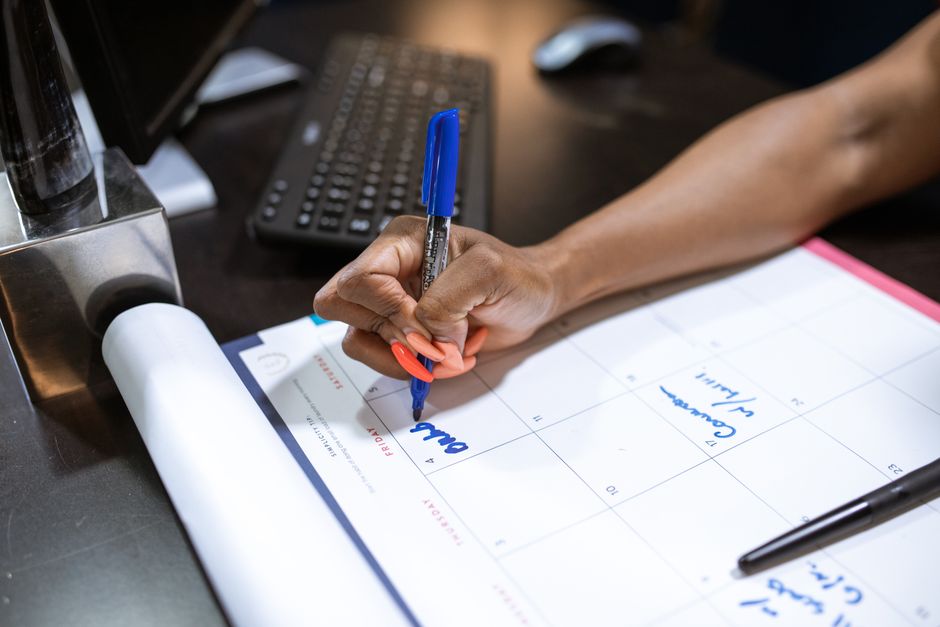
As the clock ticks toward 10 AM on a typical weekday, the office worker scans their calendar sidebar, noting the back-to-back meetings that fill the morning. A single block of time labeled "Deep Work" sits between two appointments, but the screen is already cluttered with Slack notifications and email alerts. The intention to focus is there, yet the environment is set up for distraction, not concentration.
Attempting to dive into that focus block without first silencing notifications or closing unnecessary tabs often leads to a frustrating cycle of task switching. Without a clear plan to protect that deep work time—like turning off notifications or designating specific tools for communication—what should be a productive session can quickly dissolve into a series of fragmented thoughts and half-finished tasks. The desk, filled with scattered papers and an overflowing task list, reflects the chaos of an unprepared workflow.
The Setup That Often Fails
On a busy weekday, the office worker opens their calendar to a week filled with meetings. The screen displays a series of appointments, each color-coded and neatly stacked, with a single block labeled "Deep Work" wedged between back-to-back discussions. The intention is clear: to carve out time for focused work amidst the chaos. However, the reality is that the surrounding notifications from Slack and email create a constant pull for attention, undermining that well-meaning plan.
As the clock ticks closer to the deep work session, the worker scans the cluttered task list on the desk, filled with half-finished tasks and reminders. Without first silencing notifications or preparing the workspace, the deep work block becomes an invitation for distraction. The intention to focus clashes with the reality of a chaotic environment, and the worker finds themselves toggling between tasks instead of diving into the deep work they had aimed for.
To make that focus block more effective, the worker needs to take a moment to adjust the setup. Before the deep work session begins, they can close unnecessary tabs and silence notifications, creating a more conducive environment for concentration. By physically clearing the desk of distractions and ensuring that the calendar block is marked as "Do Not Disturb," they set the stage for a more productive session. This small preparation step can transform a potentially fragmented hour into a meaningful period of deep focus, allowing the worker to engage fully with the tasks at hand.
Hidden Steps That Disrupt Focus
During a typical weekday, the desk is cluttered with open tabs and a calendar filled with back-to-back meetings. As the office worker prepares for a deep work session, a Slack notification pings loudly, breaking the initial concentration. This moment illustrates how easily focus can be derailed by seemingly minor interruptions.
Even if the calendar is marked with a focus block, the habit of checking email can become a significant distraction. The worker glances at the inbox, where new messages flood in, each one vying for attention. This cycle of task switching not only disrupts the workflow but also diminishes the quality of the deep work that could have been accomplished.
A small but crucial step often overlooked is silencing notifications before the focus block begins. This action can be as simple as muting Slack and closing the email tab. By taking these steps, the worker can create a more conducive environment for concentration, reducing the temptation to check messages. The difference between a productive hour and a distracted one often hinges on this single adjustment, highlighting how unnoticed habits can undermine even the best intentions for deep focus.
Revising the Sequence for Better Focus
A slightly different version of this problem appears in Managing Energy Not Time, where the sequence changes but the hidden drag feels familiar.
During a typical Monday morning, the calendar sidebar displays a focus block from 10 AM to 11 AM, yet the notifications from Slack and email are still active. However, the moment the clock strikes ten, a new message pops up, prompting a quick check that derails the entire session.
A more effective sequence begins with a simple adjustment: before the focus block starts, mute all notifications and close unnecessary tabs, including email and Slack. This action reduces the temptation to switch tasks and allows for a smoother transition into deep work. Placing a sticky note on the monitor that reads "Focus Block: No Distractions" can serve as a visual reminder, reinforcing the commitment to stay on task. As the worker settles into the chair, a quick glance at the calendar confirms the end time, ensuring that the session is both bounded and intentional.
By revising the order of actions—muting notifications, closing tabs, and checking the calendar before diving into work—the worker sets up a clearer pathway to maintain focus. This small but significant shift in timing and placement can make the difference between a productive hour and one filled with interruptions. The next time a focus block is scheduled, taking these steps will help protect that precious time from the chaos of calendar overload.
The Result of a Cleaner Sequence
If this pattern keeps repeating, Focus Without Burnout extends the idea without leaving the niche.
As the office worker sits down at their cluttered desk, a quick glance at the calendar sidebar reveals a looming focus block scheduled for the afternoon. The screen is filled with multiple tabs, each one a potential distraction. However, with a few adjustments made to the sequence of actions, the worker can transform their approach to deep work. By first muting Slack notifications and closing the email tab, the environment shifts from chaotic to controlled, setting the stage for deeper concentration.
Each minute spent in deep focus feels more productive, as the worker can see tangible progress rather than fragmented efforts.
To solidify this new workflow habit, the worker places a sticky note on the monitor that reads "Focus Block: No Distractions". This visual cue reinforces their commitment to stay on task. As they settle into their chair, they take a moment to breathe and check the calendar again, confirming their end time.
Calendar overload often derails intentions for deep focus, particularly on meeting-heavy days. The constant ping of notifications from Slack or email can fragment attention, making it difficult to dive into a focus block. By taking a moment to mute notifications and close distracting tabs, the office worker can reclaim their time.
To further enhance this practice, the worker should regularly check their calendar sidebar before each planned focus session. This simple act not only reinforces the commitment to deep work but also aligns the task surface with the work surface, ensuring that the right environment is set up for success. Next time a focus block approaches, remember to set the stage: mute distractions, check the calendar, and prepare to dive deep.