It's a Wednesday afternoon, and the cluttered desktop is filled with half-open tabs and scattered notes. The calendar sidebar shows a focus block scheduled for the next hour, but the top three tasks remain unchanged from yesterday. As a freelancer, the temptation to dive into the work session without a fresh task list is strong, yet the energy dip that often follows lunch looms large. Task switching feels inevitable, and the simple act of rewriting those tasks seems to slip through the cracks.
Before the work document opens, a quick glance at the calendar reveals a missed opportunity. Each time the calendar gets checked, it serves as a reminder of what needs to be done but also highlights the friction of not having a clear plan. The top three tasks, if not rewritten, blend into the background noise of the desktop, making it easy to overlook their importance. This moment illustrates how a small adjustment in routine—like revisiting those tasks—can set the stage for deeper focus, especially when energy levels are low and distractions abound.
The Default Method That Gets Overlooked
Opening the laptop at 1:30 PM, the freelancer is met with the familiar chaos of a cluttered desktop. Icons for various projects and documents vie for attention, each one a potential distraction. The instinct to dive right into the work session is strong, but without a clear focus, the energy quickly dissipates. The calendar, a mere sidebar on the screen, gets checked sporadically, offering a fragmented view of the day ahead.
Initially, it seems reasonable to jump between tasks. After all, the top three tasks are visible, and the calendar indicates a focus block set for the next hour. Yet, without rewriting those tasks, they blend into the background noise of the desktop. The momentary glance at the calendar serves as a reminder of what needs to be done but also highlights the missed opportunity of not having a fresh plan. This leads to a cycle of task switching that drains energy, especially during the afternoon dip.
Before opening the working document, a small adjustment could shift this pattern. Instead of simply checking the calendar, taking a moment to rewrite the top three tasks could create a clearer path forward. This simple act of re-evaluating priorities not only clarifies focus but also sets the stage for deeper engagement with the work. The friction of task switching becomes evident when the tasks remain unchanged, leading to a scattered workflow that undermines productivity.
Where the Routine Starts to Unravel
As the afternoon approaches, the clutter on the desk becomes more than just a visual nuisance; it’s a barrier to deep focus. Notifications from various apps ping incessantly, each one a tiny disruption that pulls attention away from the task at hand. The calendar block, marked for a focus session, sits in the sidebar, but without a clear plan, it feels more like a suggestion than a commitment. The intention to dive deep into work is overshadowed by the cognitive overload that comes from constantly switching tasks.
When the top three tasks remain unchanged, they blend into the background noise of the desktop. The simple act of checking the calendar before opening the working document becomes a missed opportunity. Instead of taking a moment to rewrite those tasks, the freelancer finds themselves jumping from one notification to another, losing precious focus. This leads to a scattered workflow, where the cluttered workspace not only distracts visually but also mentally, creating a cycle of frustration and inefficiency.
To break this cycle, a small adjustment can make a significant difference. Before diving into the work session, take a moment to write down the top three tasks that align with the focus block. This not only clarifies what needs to be accomplished but also sets a clear intention for the session ahead. By recognizing the weak point under pressure—those unchanged tasks—the freelancer can transform a simple glance at the calendar into a powerful tool for focus, steering clear of the cognitive overload that derails productivity.
A More Workable Alternative: The Focus Block
A slightly different version of this problem appears in Managing Energy Not Time, where the sequence changes but the hidden drag feels familiar.
Setting a dedicated focus block on the calendar can transform a freelancer's workflow, especially during the afternoon energy dip. This simple adjustment not only carves out uninterrupted time but also helps in managing task switching effectively. When the calendar sidebar shows a focus block, it serves as a visual reminder to stay on track.
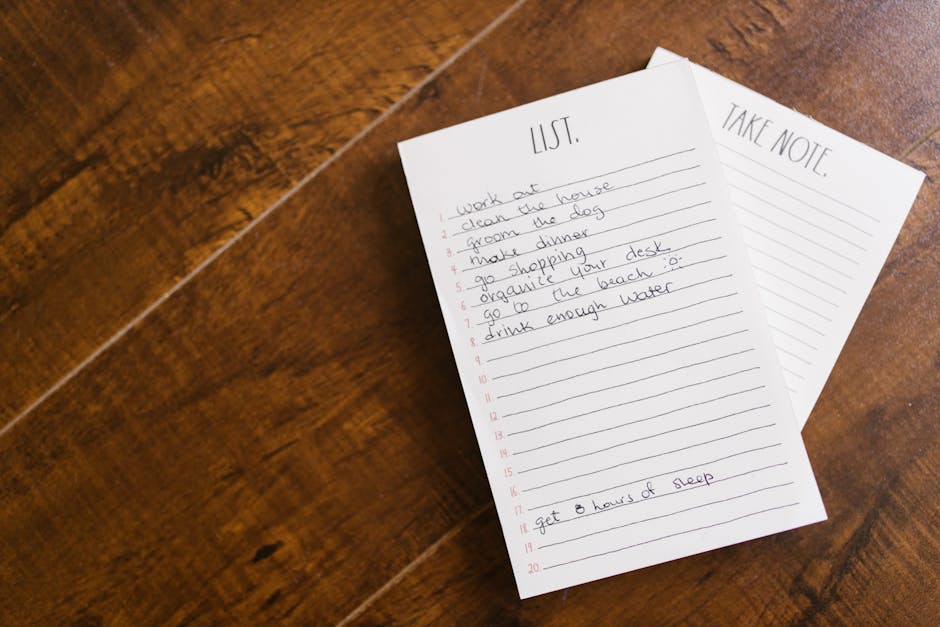
- Before starting the work session, rewrite the top three tasks on a sticky note or in a notebook. This ensures clarity and keeps the most important tasks front and center.
- Set a timer for the focus block duration—typically 25 to 50 minutes. This creates a sense of urgency and limits distractions from notifications.
- Check the calendar before opening the working document. This small act reinforces the commitment to the focus block and prevents the temptation to dive into less critical tasks.
By implementing this method, the freelancer can significantly reduce the friction of task switching. Instead of jumping from one notification to another, the focus block allows for a structured approach to daily productivity. The act of rewriting tasks before the session begins creates a mental anchor, ensuring that the freelancer knows exactly what to prioritize, even when energy levels start to wane.
The Tradeoff: Structure vs. Flexibility
If this pattern keeps repeating, Focus Without Burnout extends the idea without leaving the niche.
Opening the calendar sidebar during a busy afternoon can feel like a double-edged sword. On one hand, blocking out a focus session provides a clear structure to the day, but it can also feel restrictive, especially when the mind wants to wander to more spontaneous tasks. The calendar block requires commitment, and for a freelancer, that means sacrificing the freedom to shift gears at a moment's notice.
When the calendar is checked before diving into the work document, it’s a moment that reinforces the intention to stay focused. Yet, this can lead to a decrease in flexibility. If an unexpected task arises, the structured approach might feel like a cage. The top three tasks, which should be rewritten and prioritized, often remain unchanged, creating a missed opportunity to adapt to the day's evolving demands. This rigidity can lead to frustration, especially when energy dips in the afternoon.
However, the tradeoff can yield significant benefits. Despite the initial discomfort of sticking to a focus block, the increased concentration often results in higher quality work. The act of committing to a specific task for a defined period—even if it feels limiting—can lead to deeper engagement with the material, ultimately enhancing productivity. It’s a balancing act: while flexibility in task management may decrease, the quality of output can make the discomfort worthwhile. In this way, the structured focus block can transform the cluttered desktop into a more productive workspace, even if it means letting go of some spontaneity.
A Quick Checkpoint to Prevent Drift
Before diving into a work session, take a moment to glance at the calendar sidebar. This simple act of checking your scheduled focus block can set the tone for your productivity. If you see a focus block marked for the afternoon, it’s a cue to align your tasks with your energy levels. This is especially crucial as the afternoon slump approaches, where motivation can wane.
Next, revisit the top three tasks listed on your working document. Often, these tasks remain unchanged, which can lead to misalignment with your current energy and priorities. By rewriting these tasks, you can ensure they reflect what you truly want to accomplish during that focus block. For example, if you initially planned to tackle a complex project but find your energy low, swapping it out for a simpler task can make a significant difference.
Setting a brief reminder to refocus is another effective strategy. If distractions creep in, a quick glance at your calendar can remind you of the commitment you made to that focus block. This moment of reflection can help you resist the urge to switch tasks unnecessarily, keeping your workflow on track. By establishing this checkpoint, you can navigate the clutter of your desktop with more intention, transforming potential drift into a structured work session.
When the Focus Block Fits Best
Mid-morning often presents the best opportunity for a focus block. As you glance at your calendar sidebar, you might notice a gap where your energy typically peaks. This is the moment to align your top tasks with your current capabilities. If you have a complex project on your list, consider whether you can tackle it now or if it would be better suited for later in the day.
Afternoon dips can derail even the most organized plans. If you find yourself staring at your screen, the task may seem simple until you realize the energy required to switch gears. Instead of pushing through a challenging task, adjust your focus to something lighter, like responding to emails or organizing your workspace. This shift in task type can help maintain your momentum without exhausting your mental resources.
Before diving into your work session, take a moment to rewrite your top three tasks. This simple act can clarify your intentions and ensure they match your energy levels. If you notice that your calendar shows a focus block scheduled for 10 AM, but your energy starts to wane around 2 PM, it’s time to rethink what you’ll accomplish during that window. By planning ahead and checking your energy levels, you can create a more effective workflow that respects your natural rhythms.
Energy-aware planning is crucial for maintaining deep focus without tools. If you find yourself at your cluttered desk around 2 PM, check your calendar sidebar to see if you have a focus block scheduled. If it’s still set for a demanding task, consider shifting to something less intensive. This adjustment allows you to keep your workflow flowing smoothly without the fatigue that often comes from task switching.
Next time you sit down to work, take a moment to rewrite your top three tasks. This small act not only clarifies your priorities but also aligns them with your current energy levels. By making this adjustment, you can ensure that your focus remains sharp and that you tackle tasks that match your mental state, ultimately enhancing your daily productivity.