It's mid-morning on a Tuesday, and the desktop monitor edge is cluttered with open tabs, each one a reminder of tasks waiting to be tackled. Slack notifications ping intermittently, pulling attention away from the top three tasks on the to-do list, which remain stubbornly unrewritten. The clock ticks, and the longer the task list grows, the more overwhelmed the mind feels. Each time a notification pops up, it disrupts the fragile thread of focus, making it difficult to dive deep into any of the pressing work at hand.
As the chaos of a crowded workspace mounts, the next useful action often gets buried under layers of setup clutter. The decision to respond to a quick email instead of pushing through a focus block becomes a familiar pattern, leading to task-switching that erodes productivity. Without a clear strategy to manage these interruptions, the workflow habits that once facilitated deep focus begin to falter. A simple check, like muting notifications, might seem trivial, yet it often goes overlooked amidst the frenzy of a busy work session, leaving the remote worker grappling with the consequences of scattered attention.
The Setup That Disrupts Focus
At the edge of a cluttered desk, a remote worker stares at a monitor filled with multiple open tabs, each one a potential distraction. The intention is clear: focus on three main tasks for the day, all neatly listed in a digital task manager. However, with each passing minute, the notifications from Slack and email keep popping up, pulling attention away from the work that needs to be done. The screen flickers with alerts, and the mental effort to resist the urge to switch tasks becomes a battle in itself.
During this ordinary weekday moment, the worker's desk planning has become a source of friction rather than clarity. The task list, which was supposed to streamline focus, now feels overwhelming, with the top three tasks stubbornly unaddressed. To regain control, the worker decides to mute notifications, a simple yet often overlooked action that can significantly enhance focus. By prioritizing the three tasks and moving any admin tasks to later in the day, the clutter on the screen can be reduced, allowing for a clearer path to deep focus. The next useful action is now more visible, but the challenge remains: can the work session withstand the temptation of task-switching as distractions continue to loom? Hidden Steps That Slow You Down As the remote worker settles into their chair, the clutter of open tabs on the desktop monitor edge becomes a visual reminder of unfinished tasks. The task list, initially intended to streamline workflow, has morphed into a source of confusion. Without prioritizing the top three tasks, they remain untouched, buried beneath a mountain of admin duties and notifications.
- Failing to prioritize tasks leads to unnecessary clutter, making it hard to see what truly needs attention.
- Overlooking the need to mute notifications before starting a focus block invites distractions, as Slack and email alerts ping continuously.
- Ignoring the simple act of moving admin tasks to later in the day can steal precious time, as the mind wanders to the next item instead of focusing on the current one.
During this ordinary weekday moment, the worker realizes that each notification breaks their concentration, pulling them away from the primary objectives. By muting notifications and clearly marking the top three tasks, they can create a more focused environment. Yet, the challenge remains: can they resist the urge to switch tasks as distractions linger on the screen, waiting to disrupt their deep focus?
Identifying the Main Bottleneck
This same friction shows up again in Managing Energy Not Time, especially when the day tightens unexpectedly.
The cluttered edge of the desktop monitor often becomes a visual barrier, obscuring the next actionable step in a busy work session. With a task list sprawling across the screen, it’s easy to overlook the top three priorities that should guide the focus block. Instead, the eye is drawn to a flurry of Slack and email notifications that ping incessantly, pulling attention away from deeper tasks. Each notification interrupts the flow, creating a cycle of task-switching that delays progress on the most critical objectives.
During an ordinary weekday moment, the remote worker glances at the screen, where a muted notification window sits in the corner, yet the temptation to check it lingers. The clutter of open tabs and notifications creates a sense of urgency, but it also clouds judgment. To regain control, a simple adjustment can be made: moving admin tasks to the end of the day allows for a clearer focus on high-priority items during peak productivity hours. This small shift can lead to a more streamlined workflow, reducing the friction that comes from constantly switching gears.
As the worker takes a moment to breathe, they realize that the next useful action is buried beneath layers of distractions. By prioritizing the top tasks and muting notifications before diving into a focus block, they can carve out a space for deep work. Yet, the challenge remains: can they resist the pull of task-switching as the clutter continues to beckon from the screen?
A Cleaner Order for Your Focus Block
A slightly different version of this problem appears in Focus Without Burnout, where the sequence changes but the hidden drag feels familiar.
During a typical weekday, the clutter on the remote worker's desktop monitor edge becomes overwhelming. With multiple tabs open for various projects, the constant ping of Slack messages and email notifications creates a chaotic environment. Every time a notification pops up, it pulls focus away from the top three tasks on the to-do list, which never seem to get rewritten. The worker finds themselves task-switching frequently, attempting to juggle urgent admin tasks that could easily be postponed.
After implementing a new strategy, the scene shifts significantly. By moving admin tasks to the end of the day, the worker can dedicate the morning hours to high-priority items, allowing for deeper concentration. They also set a specific time—30 minutes before lunch—to check notifications, ensuring that interruptions are minimized during the peak focus block. This simple adjustment not only clears the initial focus but also creates a more streamlined workflow. Now, with the top tasks prioritized and notifications muted, the worker can engage fully in their work session, feeling less pressure from the clutter that once dominated their screen.
What Changes with a Streamlined Sequence?
Shifting the order of tasks can dramatically improve focus during a crowded work block. When the desktop monitor edge is cluttered with open tabs and notifications, the worker often feels overwhelmed. A quick glance at the screen reveals a jumble of Slack messages and emails, each vying for attention. By moving admin tasks to the end of the day, the worker can concentrate on the top three high-priority tasks each morning, significantly reducing distractions.
During an ordinary weekday moment, the worker now checks notifications only after completing the most critical tasks. This simple adjustment allows them to mute all notifications, creating a more peaceful work environment. With a dedicated 30-minute focus block scheduled before lunch, they can engage deeply with their work without the constant pull of incoming messages. As a result, the stress of managing notifications diminishes, and the clarity of purpose increases.
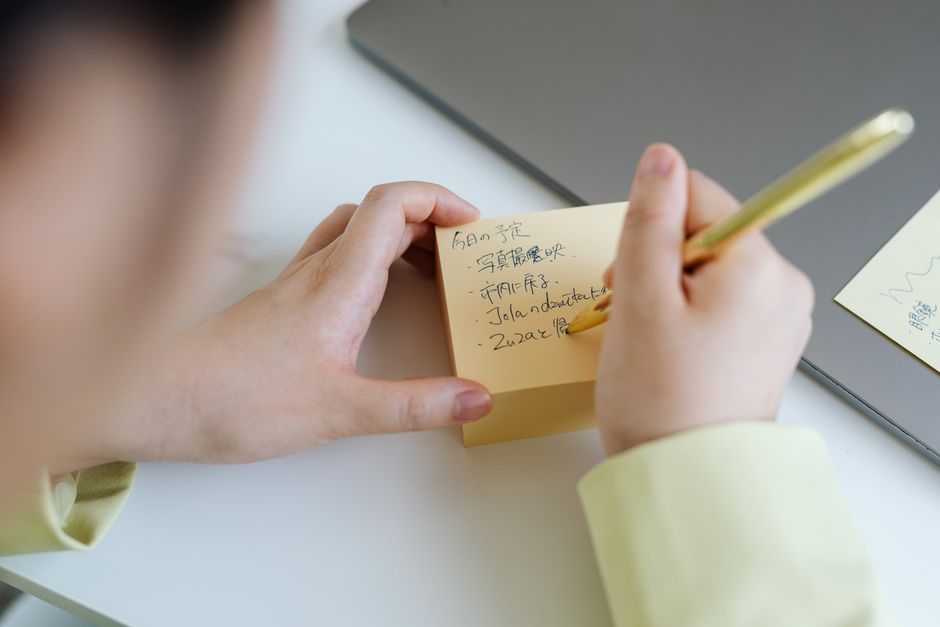
One practical change is to write down the top three tasks at the start of each day, placing this list on the desk where it’s easily visible. This ensures that these priorities remain front and center, preventing the tendency to get sidetracked by less important admin duties. The worker finds that by controlling the sequence of tasks, they can maintain a stronger focus, leading to a more productive workflow and a sense of accomplishment by the end of the day.
During a busy weekday, the clutter on a remote worker's desk can easily become overwhelming. With multiple tabs open and notifications pinging from Slack and email, the next useful action often gets buried. The worker finds that by simply moving admin tasks to later in the day, they clear a mental space for deep focus. This shift allows them to tackle their top three tasks first, ensuring that they engage with the most critical work without distraction.
A practical next step is to mute notifications entirely during focus blocks. By placing a single sticky note on the edge of the monitor that reads "Focus Time: No Notifications," the worker creates a visual reminder to stay on task. This small adjustment not only enhances attention management but also sets a clear boundary that helps maintain workflow habits throughout the day.
