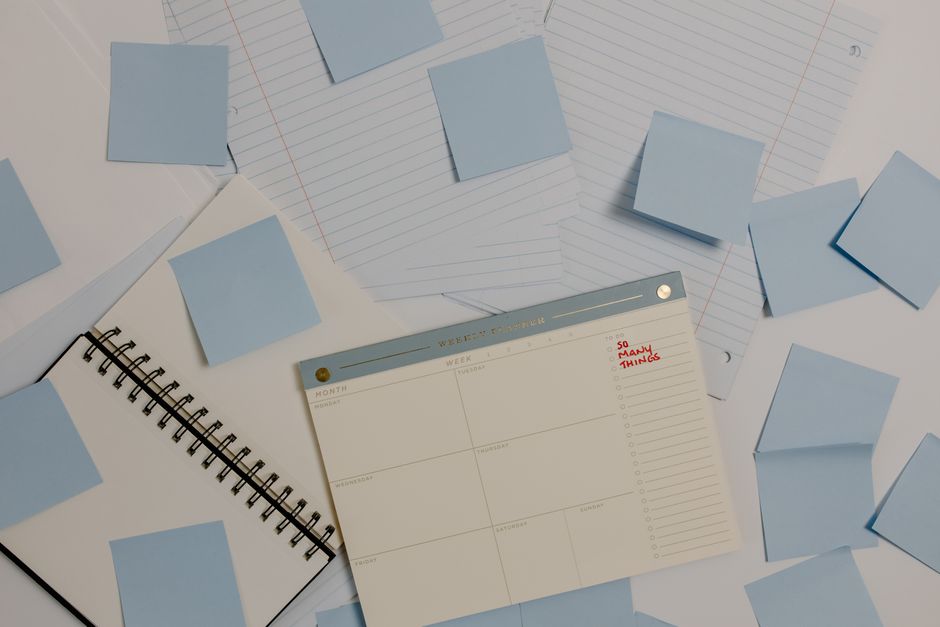
It's a Wednesday afternoon, and the clutter on your desk reflects the chaos in your mind. The browser tab row is filled with unfinished tasks, reminders, and a calendar notification flashing for a focus block that feels increasingly unattainable. You glance at the task list pinned to your wall, a jumble of priorities that seem to mock your intention to dive deep into a single project. The clock ticks, and the weight of all those tasks looms larger than the time you have to tackle them.
As you prepare for your next work session, the surface of your desk becomes a battleground between your focus and the distractions that threaten to derail it. A quick scan reveals that the order of tasks doesn't align with your energy levels; the most demanding project sits at the bottom of the list, while a low-priority item is glaring at you from the top. You realize that this misalignment creates friction, pulling your attention away from where it needs to be. A simple adjustment in how you sequence your tasks could make all the difference in achieving that elusive deep focus.
The Default Approach: Juggling Tasks and Time
At your cluttered desk, the glow of your laptop screen highlights a lengthy task list pinned in your browser tab row, each item a promise of productivity. You take a deep breath, ready to start a focus block, but the moment is interrupted by a notification ping from your messaging app. It’s a reminder for a meeting that’s still an hour away, yet it steals your attention, pulling you away from the task at hand. You glance back at the screen, where the top item is a low-priority email response, while the more demanding project, which requires your full concentration, sits at the bottom of the list.
This mismatch between your task sequence and your energy levels creates friction in your workflow. You had thought it reasonable to tackle the easy tasks first, believing it would warm you up for the heavy lifting later. However, as you attempt to dive into the complex project, the clutter on your desk and the disarray of your task list become a barrier. The clock ticks on, and you realize that without addressing the order of your tasks, you’re likely to waste precious minutes switching gears instead of making meaningful progress. A simple adjustment—prioritizing the most demanding tasks when your energy is highest—could shift your focus back to where it needs to be. The next time you sit down, consider moving that challenging project to the top of your list, even if it feels daunting. Where the Routine Breaks Down: The Notification Trap During an ordinary weekday moment, your browser tab row is filled with open projects, and your task list sits on the side, beckoning for attention. You’ve allocated a solid hour for deep focus on a critical client proposal, but as you settle into your chair, a reminder popup flashes on your screen, announcing a meeting in ten minutes. You click it away, but the interruption lingers, pulling your mind away from the task at hand.
That brief distraction leads to a ten-minute delay in your workflow. You glance back at your task list, but the original focus on the proposal has faded into the background noise of your thoughts. The clutter on your desk, scattered papers, and half-finished coffee cup now mirror the chaos in your mind. You’re left frustrated, realizing that without a clear plan in place, the small disruptions can compound into larger setbacks.
To prevent this weak point from derailing your productivity, consider adjusting your desk planning routine. Before starting a focus block, take a moment to close unnecessary tabs and silence notifications. This simple act can create a more conducive environment for deep work. As you prepare for the next session, ensure that your task list is not just visible but prioritized, with the most demanding tasks clearly marked. By addressing these friction points ahead of time, you can reclaim those lost minutes and maintain a clearer path to your goals.
A Workable Alternative: Prioritizing One Task at a Time
This same friction shows up again in Managing Energy Not Time, especially when the day tightens unexpectedly.
When staring at a cluttered browser tab row, it’s easy to become overwhelmed by the sheer number of tasks on your list. During an ordinary weekday moment, this can lead to a frustrating cycle of task switching, where the desk surface doesn’t match the task sequence, and focus slips away. A simple adjustment can help reclaim your attention: prioritizing one task at a time.
- Identify the single most important task for your session and write it down on a sticky note, placing it prominently on your monitor.
- Block a specific time on your calendar dedicated solely to that task, ensuring no other obligations overlap.
- Close all non-essential browser tabs and silence notifications to minimize distractions during your focus block.
This method shifts your setup dramatically. Instead of juggling multiple tasks and feeling the weight of your entire to-do list, you create a clear focus point. By preparing your environment in this way, you reduce the likelihood of interruptions, like a reminder popup stealing the next ten minutes. This small change in approach can help streamline your workflow habits and enhance your deep focus sessions.
The Tradeoff: Simplicity vs. Flexibility
A slightly different version of this problem appears in Focus Without Burnout, where the sequence changes but the hidden drag feels familiar.
During an ordinary weekday moment, the desk is cluttered with a mix of open tabs, notes, and reminders. This chaotic surface reflects the freelancer's task list, which seems to stretch endlessly. By narrowing attention to one task, the freelancer sacrifices the ability to multitask. Instead of switching between various responsibilities, the focus shifts to a single project, which may feel restrictive at first. However, this limitation can foster a deeper engagement with the chosen task, allowing for a more profound exploration of ideas and solutions.
When setting up for a focus block, consider placing a sticky note with your primary task on the center of your monitor. This small act serves as a visual anchor, reminding you of your commitment to deep focus. Instead of feeling overwhelmed by the entire task list, you can concentrate on completing this one item before moving on. While this approach may seem to limit adaptability, it ultimately enhances the quality of work produced. The alternative—trying to juggle multiple tasks—often leads to fragmented attention and diminished productivity.
In this way, the tradeoff becomes clear: the simplicity of focusing on one task may reduce the flexibility to pivot quickly between projects, but it cultivates a more satisfying work experience. The next time a reminder popup threatens to steal your attention, remember that embracing this focused approach can yield greater results in the long run, despite the initial discomfort of letting go of multitasking.
Finding the Right Fit: When to Implement This Change
On days when the task list sprawls across your desk like a chaotic web, it’s crucial to recognize when to employ a focused work session. If you find yourself staring at a long list of tasks with only a few hours to spare, this is the perfect moment to block out a dedicated focus session. Start by assessing your energy levels—are you more alert in the morning or do you hit your stride in the afternoon? This self-awareness allows you to align your most demanding tasks with your peak focus times.
Before diving into your focus block, take a moment to arrange your desk. Clear away distractions, ensuring your workspace is conducive to deep work. Open your calendar and set a specific time block for your focus session, perhaps from 10 AM to 11 AM. This not only carves out dedicated time but also signals to others that you’re unavailable. If your browser tab row is cluttered with notifications, consider closing unnecessary tabs or using a site blocker to minimize interruptions. Remember, a reminder popup can easily steal ten minutes of your precious focus.
After setting the stage, check your visible task list. Identify the single task that will benefit most from your undivided attention. This method ensures that despite the overwhelming number of tasks, you’re not just busy; you’re effectively working on what truly matters. Embracing this approach can feel restrictive at first, but the tradeoff is a more satisfying and productive work experience. By prioritizing your focus in this way, you’re not just managing your time; you’re enhancing your workflow habits, making deep focus without tools more achievable.
As you prepare for your next focus block, take a moment to align your task list with your current energy levels. If your desk is cluttered with unrelated items or tasks, it can create friction that disrupts your concentration. Before diving into your work session, clear your immediate workspace and prioritize the single task that demands your full attention. This simple act of decluttering not only sets a conducive environment but also makes it easier to transition into deep focus.
For your next session, check that your visible task list reflects this priority. If you find your browser tab row filled with distractions, close those tabs that don’t serve your current focus. By doing this, you’re not just setting the stage for a productive work session; you’re actively managing your attention and creating a workflow that supports deep focus without tools. Next time you sit down, remember to check your desk setup first—this small adjustment can significantly enhance your productivity.
