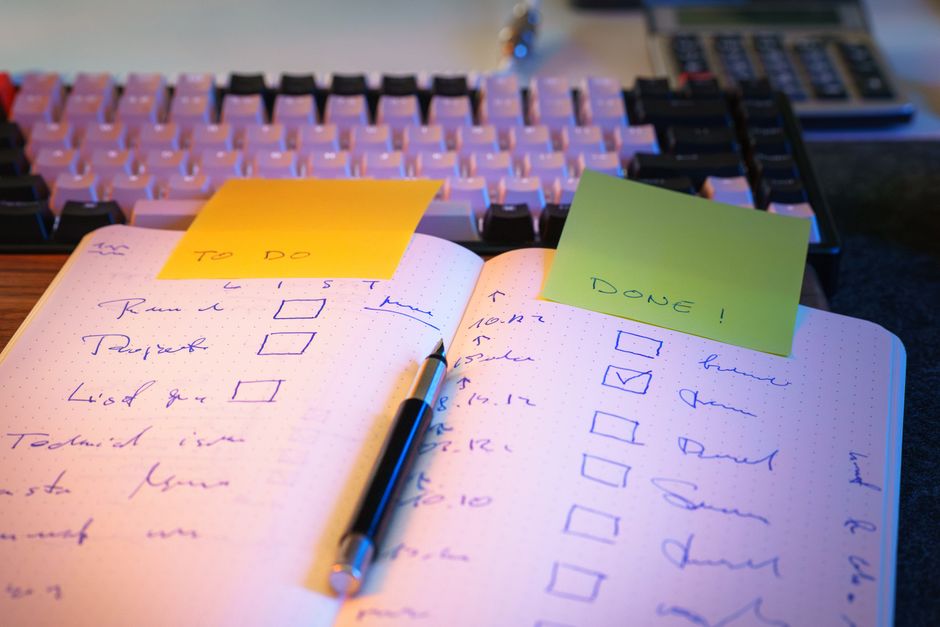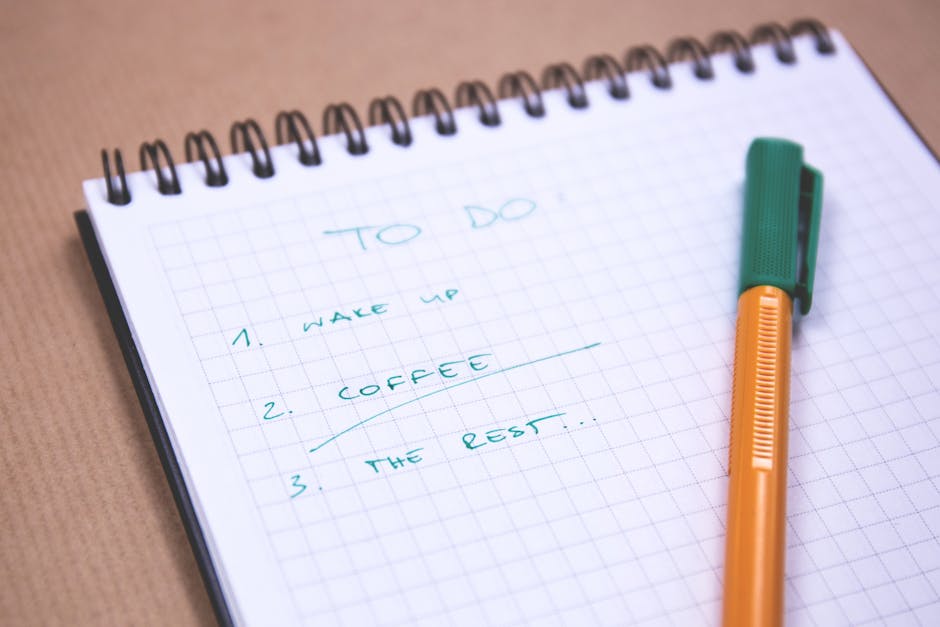
As the clock ticks toward noon on a typical weekday, the freelancer sits at their cluttered desk, staring at the glowing screen of their desktop monitor. The desk surface, littered with sticky notes and half-drunk coffee cups, reflects a chaotic workflow that pulls focus in multiple directions.
This moment captures a common struggle: the energy-aware planning that often falters when the afternoon dip sets in. The freelancer’s calendar block is intended to safeguard focus time, yet the sequence of tasks is misaligned with their actual energy levels. Instead of pushing admin tasks to later in the day, they find themselves switching between tabs, losing sight of the priority at hand. The result is a fragmented attention span that makes deep focus without tools feel like an elusive goal, highlighting the friction between intention and reality.
The Expected Routine: A Day in the Life of Focused Freelancing
At 9 AM, the freelancer sits down at their desk, ready to dive into a focused work session. They’ve set aside a calendar block specifically for high-priority tasks, intending to tackle client reports and project planning first. The desktop monitor displays a neatly organized to-do list, with the most pressing tasks highlighted. However, the desk surface, cluttered with coffee mugs and scattered papers, creates a visual distraction that pulls their attention away from the screen.
The original intention of the calendar block is lost amidst the chaos, illustrating how a misaligned task sequence can derail focus.
In an ideal scenario, the freelancer would have moved admin tasks to later in the day, reserving the morning for deep work. Instead, they’re caught in a cycle of fragmented attention, where the cluttered desk and scattered reminders create friction. Yet, as they glance at the clock, the reality of the afternoon dip looms, and they realize that without these small changes, achieving deep focus without tools remains a constant struggle.
Where Distractions Derail Focus First
The moment the email notification pings, a familiar tension fills the air. The freelancer, seated at their desk, glances at the cluttered surface, where a half-empty coffee mug sits next to a stack of papers. The desktop monitor displays a carefully curated to-do list, yet the open tabs for social media and news articles create a chaotic backdrop that pulls their attention away.
With the email notification demanding attention, the freelancer instinctively clicks over, momentarily abandoning the focus block they had set for the morning. The email, while seemingly urgent, is a routine update that could have waited. This shift in attention not only disrupts their workflow but also highlights the friction caused by a disorganized desk. The clutter on the desk, combined with the split attention between tools and tasks, signals the beginning of a drift that could have been avoided.
To regain control, the freelancer could implement a simple adjustment: moving admin tasks to later in the day. By checking their task list and prioritizing the most critical items first, they could create a clearer focus block. As the clock ticks closer to the afternoon dip, the realization sets in that without these small but significant changes, achieving deep focus without tools will continue to be a challenge, leaving them to navigate through a maze of distractions.
This same friction shows up again in Focus Without Burnout, especially when the day tightens unexpectedly.
A Simple Correction: Reordering Tasks for Better Flow
Midway through a typical weekday, the freelancer glances at the cluttered desk, where a jumble of papers competes for attention with the glowing monitor. The task list, displayed on the screen, feels overwhelming, especially as the clock inches toward 1 PM, signaling the onset of the afternoon energy dip.
To counter this drift, a simple adjustment can be made: shift admin tasks to the later part of the day. By doing so, the freelancer can establish a focus block right after a short break, ideally just after lunch when energy is still relatively high. This change not only reduces the temptation to switch tasks but also allows for a more structured approach to the day.
This reordering of tasks creates a smoother workflow, minimizing the friction caused by a chaotic desk and split attention, ultimately enhancing the ability to maintain deep focus without tools.
The Aftermath: What Becomes Easier After Adjustments
If this pattern keeps repeating, Managing Energy Not Time extends the idea without leaving the niche.
The desk, once cluttered with papers and sticky notes, now reflects a clearer intention. The monitor glows softly, displaying a single task list that has been prioritized and simplified. This visual clarity makes it easier to dive into work without the distraction of scattered reminders and unfinished tasks.
The previous friction of a chaotic workspace is noticeably absent, allowing for a smoother flow of ideas. The energy from a quick lunch break still lingers, fueling concentration as thoughts translate into words on the screen.
As the clock ticks towards the next time block, the freelancer checks the task list again, ensuring that no other distractions creep in. This shift not only improves the quality of work but also enhances the sense of accomplishment that comes with completing a task efficiently. The desk, now a tool for productivity rather than a source of distraction, supports this newfound workflow, making it easier to maintain deep focus without tools.
Noticing where attention slips can be a game-changer for freelancers navigating busy days. The desk setup, often overlooked, plays a critical role in this. By moving admin tasks to a later time block, you free up mental space for deep focus. This simple shift ensures that the most demanding work gets the attention it deserves when energy levels are high.
As the afternoon dip approaches, a quick glance at the task list can reveal potential distractions that need to be managed. Keeping the desk organized and aligned with your workflow habits not only enhances concentration but also builds a routine that supports sustained focus. Next time you sit down, check that your task order matches your energy levels, and adjust your calendar block accordingly to maintain that deep focus without tools.