At the kitchen table, a calendar block sits open, displaying the day’s agenda, while a task notebook lies nearby, its pages filled with the top three tasks that never seem to change. As I prepare for another focus block, the familiar ritual begins: checking the calendar before opening the working document. Each glance at the calendar pulls my attention away from the task at hand, reminding me of other commitments and notifications waiting to be addressed. The phone buzzes softly, a muted notification window flashing at the corner of my eye, pulling me into a mental tug-of-war between the current work session and the distractions that lurk just beyond my reach.
This split attention creates a friction that disrupts deep focus. The act of switching between tools, even momentarily, breaks the flow of thought. I find myself questioning whether I should jot down a quick note about a new task or return to the work document. Each decision to check another tab or reminder feels like a small concession, yet collectively they chip away at my ability to concentrate deeply. The calendar, once a helpful guide, morphs into a source of distraction, reminding me of tasks that pull me away from the focused work that requires my full attention.
The Routine Before Distraction Hits
At the kitchen table, my laptop sits open alongside a task notebook, its pages filled with scribbles from previous sessions. The morning light filters through the window, casting a glow on the calendar block pinned to the wall. It’s a typical weekday moment, and I know I need to establish my focus before the inevitable interruptions begin. I take a moment to glance at the calendar block, which outlines my planned tasks for the day. I take a mental note of the top three tasks, which I won’t rewrite this time; they’re already clear in my mind.
Before diving into the work session, I mute notifications on my laptop, a small but crucial step to minimize distractions. The muted notification window sits in the corner of my screen, a silent reminder of what I’m choosing to ignore for now. This decision creates a buffer, allowing me to focus solely on the tasks ahead. However, as I prepare to open my work document, the calendar block catches my eye again. I feel the tug of those pending tasks, a reminder of other commitments, and I hesitate. Should I check them again or trust that I can return to them later? This moment of indecision highlights the friction that often disrupts my deep focus.
With a deep breath, I push the calendar block's reminders to the back of my mind, reminding myself that I can always revisit them after this focus block. The kitchen table becomes my temporary command center, where I aim to maintain clarity and avoid the trap of task switching that can derail my attention. In this setup, the first step is crucial: I must commit to the focus block without letting the calendar dictate my workflow. Each time I let that calendar pull me away, I lose precious momentum, and the deep focus I strive for begins to slip away.
The Moment Focus Begins to Slip
This same friction shows up again in Managing Energy Not Time, especially when the day tightens unexpectedly.
As I settle into my kitchen table workspace, the clutter of open tabs on my laptop looms large. I glance at my phone, where notifications buzz incessantly, each one a potential distraction. The moment I check those notifications, my focus fractures. A calendar reminder pops up, a bright banner demanding attention and pulling my gaze away from the working document I had just opened. The screen flickers with the promise of tasks yet to be tackled, and I feel the familiar tug of anxiety as I consider whether I should address them now or later.
In this split second, the friction becomes palpable. The calendar block, meant to streamline my workflow, instead serves as a roadblock to deep focus. I know that if I let this reminder dictate my next move, I risk losing the momentum I've built. With a deliberate action, I mute notifications on my phone, silencing the distractions that threaten to derail my session. However, the tabs remain open, each one a potential rabbit hole that could pull me away from my primary task.
To counteract this, I take a moment to reassess my setup. I decide to close all but one tab—the document I need for my focus block. This simple act of decluttering my digital workspace allows me to re-establish a clearer path to productivity. Yet, even as I do this, I can't shake the feeling that I might miss something important. The tradeoff is clear: staying focused means risking the chance of forgetting those calendar reminders, but if I don’t commit to this focus block, the deep work I aim for will remain just out of reach.
Why Multitasking Creates Friction
A slightly different version of this problem appears in Focus Without Burnout, where the sequence changes but the hidden drag feels familiar.
As I sit at my kitchen table, the clutter of my digital workspace looms large. My calendar is open on one tab, reminding me of a meeting in thirty minutes, while another tab holds the document I need for my focus block. The cognitive load begins to build as I toggle between these tools, each reminder pulling at my attention. I glance at my task notebook, where the top three tasks are scribbled down but never rewritten. This cluttered approach leaves me feeling overwhelmed, as the intention to stay organized quickly devolves into chaos.
In an effort to regain clarity, I decide to mute notifications on my phone, hoping to minimize distractions. Yet, the real friction arises when I realize that switching tasks has cost me momentum. Each time I check my calendar, I lose precious seconds that could have been spent diving into my work. The hidden step I often overlook is the need to close unnecessary tabs before I start my focus block. As I close the calendar tab, I feel a slight release of tension, but the nagging worry of missing an important reminder remains. The tradeoff is evident: attempting to manage multiple tools simultaneously detracts from the deep focus I strive for, leaving me caught in a cycle of interruptions and half-finished tasks. What to Check Before Opening Tabs As I sit at the kitchen table, the clutter of my task notebook sprawled out beside me, I realize the importance of a pre-focus routine. Before diving into my work session, I mute notifications on my phone, a simple yet effective step that helps reduce the temptation to check for updates. This small adjustment creates a subtle shift in my mindset, allowing me to concentrate on the tasks at hand without the constant ping of distractions.
Next, I take a moment to create a clear checklist of my top three tasks on paper. This tangible list serves as a visual anchor, preventing me from getting sidetracked by the digital chaos of multiple tabs. I’ve learned that keeping my working document open while closing all other tabs minimizes the risk of wandering attention. When I check my calendar, I do it quickly, ensuring that I only keep the essential information visible. This sequence—a muted phone, a handwritten list, and a single open tab—sets a focused atmosphere, allowing me to enter my focus block with intention.
However, the friction remains palpable. Each time I glance at my calendar, I feel a momentary loss of momentum. I realize that the act of checking it, even briefly, pulls me out of my workflow. The tradeoff becomes clear: while I strive for a streamlined setup, the very act of managing my tools can disrupt the deep focus I seek. By limiting my environment to just the necessary elements, I can better navigate the interruptions that often plague my work sessions.
The Impact of Streamlined Focus on the Next Session
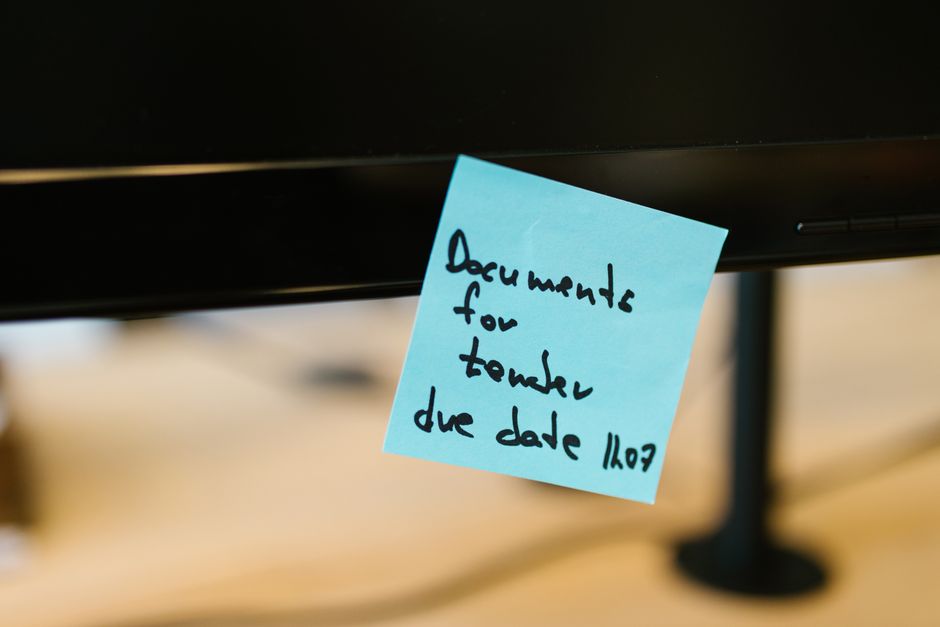
With my calendar block clearly laid out on the kitchen table, I notice how the absence of clutter helps my mind settle into the next deep focus session. The top three tasks, written in bold ink on a sticky note, remain visible without needing to be rewritten. This simple setup allows me to glance at my priorities without the distraction of digital notifications or multiple tabs. Each time I prepare for a focus block, I can quickly reference these tasks, which streamlines my entry into work.
As I mute my phone and close unnecessary applications, I feel a subtle shift in my mental state. The act of minimizing distractions creates a clearer path for my attention. I’ve learned that the fewer items I have on my desk, the easier it becomes to dive into my work. Each session builds on the last; the less clutter I encounter, the more focused I can remain. I’ve noticed that even the briefest glance at my calendar, while necessary, can disrupt my flow. This friction reminds me that while I need to check my schedule, I have to do so with intention and speed.
In the moments before I start my next focus block, I take a deep breath, look at my three tasks, and remind myself that this clarity is a direct result of my streamlined setup. I can feel the anticipation of diving back into work, knowing that I’ve created an environment conducive to deep focus. The tradeoff is clear: while managing my tools can sometimes pull me out of my workflow, the adjustments I’ve made lead to more productive sessions overall. The next time I sit down, I’ll be ready to engage with my work, equipped with a clearer mind and a purposeful focus block.
As I prepare for another focus block at my kitchen table, I find myself staring at the muted notification window on my laptop. It’s a small but significant change that allows me to dive into my work without the constant pull of alerts. I’ve learned that even the briefest distraction can fracture my concentration, especially when I check my calendar just before opening my working document. This momentary lapse often leads to a cascade of thoughts about other tasks, pulling my attention away from the deep work I need to accomplish.
The friction of multitasking becomes evident as I navigate between tabs and reminders. To counter this, I’ve started to prioritize my top three tasks, ensuring they remain visible in my task notebook without needing to rewrite them each session. This simple act keeps my focus sharp and my workflow uninterrupted. The next time I sit down, I’ll make it a point to check my calendar only after I’ve settled into my focus block, reinforcing the habit of minimizing distractions and maximizing deep concentration.