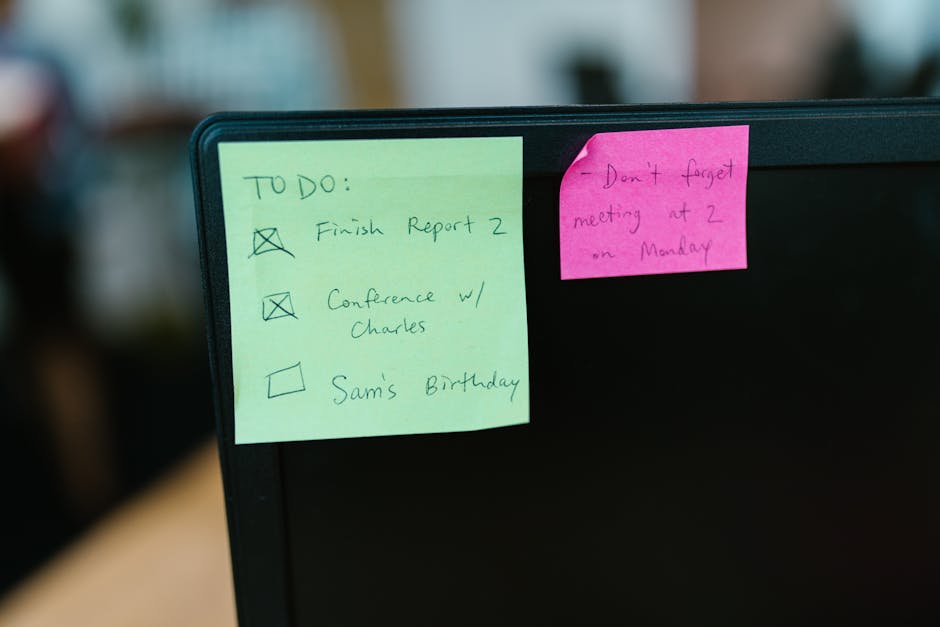
It's a Tuesday morning, and the clock on the desktop monitor reads 9:15 AM. A freelancer sits at their cluttered desk, fingers hovering over the keyboard, ready to dive into a focused work session. However, before opening the document for the day’s tasks, the calendar is checked first. The top three tasks are clearly visible but remain unaltered from yesterday’s list, creating a subtle friction between intention and action. With multiple tabs open and reminders pinging, the attention is split, making it difficult to settle into a deep focus.
As the freelancer scans the calendar, they notice a missed opportunity to align their task order with their natural energy levels. The act of checking the calendar before engaging with the work document often leads to a delay in starting the focused session. Instead of moving directly into the workflow, the thought process gets tangled in the clutter of tools and notifications. This habitual task switching not only disrupts concentration but also undermines the potential for a productive block of time. What if there was a way to streamline this process, ensuring that the transition from planning to execution felt seamless and efficient?
The Default Method: A Fragmented Approach to Focus
During a typical weekday, the freelancer sits at their desk, glancing at the cluttered desktop monitor edge. Multiple tabs are open, each one vying for attention, while reminders ping insistently in the background. This setup creates a fragmented focus, making it challenging to settle into a deep work session. The intention to dive into the top three tasks is overshadowed by the distraction of notifications, leading to a sense of overwhelm rather than clarity.
Before even opening the work document, the calendar is checked repeatedly, a habit that seems reasonable at first. The freelancer believes that confirming their schedule will help align their tasks with their energy levels. However, this ritual often leads to delays, as the constant switching between the calendar and the task list disrupts the flow. Instead of moving directly into the workflow, they find themselves caught in a loop of checking and rechecking, which only fragments their focus further.
To improve this situation, a small adjustment can be made: placing the task list directly next to the calendar. This way, when checking the calendar, the freelancer can simultaneously review their tasks, reducing the need for excessive switching. By keeping the top three tasks visible and unaltered from the previous day, they can quickly identify what needs to be tackled first, minimizing the clutter of thoughts and distractions. This simple change can transform the transition from planning to execution, allowing for a more seamless entry into a focused work block.
Where the Default Fails: Common Friction Points
On an ordinary weekday, the freelancer sits at their desk, staring at the cluttered screen filled with multiple tabs and notifications. Each ping pulls their attention away from the task at hand, making it difficult to settle into a focused work block. Instead of diving straight into the workflow, they find themselves toggling between the calendar and a visible task list, an action that disrupts their momentum. This constant task switching not only fragments their attention but also creates a sense of urgency that is counterproductive.
As they check the calendar, which sits prominently on the left side of the monitor, they instinctively glance at the task list on the right. This layout, while seemingly efficient, often leads to a moment of indecision. With notifications popping up and the desktop cluttered with icons, the freelancer feels the pressure mount. The top three tasks, which should be straightforward, become obscured by the noise of reminders and alerts. Instead of smoothly transitioning into their focus block, they end up caught in a cycle of checking and rechecking, leaving them frustrated.
A small yet impactful adjustment can alleviate some of this friction. By placing the task list directly beneath the calendar, the freelancer can quickly reference their priorities without losing sight of the time. This arrangement allows them to skip unnecessary checks and dive into their top tasks immediately. The visible task list, unaltered from the previous day, serves as a constant reminder of what needs to be accomplished, minimizing the mental clutter that often accompanies a busy work session. This change can streamline their desk planning, paving the way for deeper focus without the interruptions of a disorganized workspace.
This same friction shows up again in Focus Without Burnout, especially when the day tightens unexpectedly.
A More Workable Alternative: Streamlined Focus Blocks
During a typical weekday, a freelancer sits at their desk, glancing at the cluttered edge of their monitor where sticky notes and reminders compete for attention. Before diving into their focus block, they instinctively check their calendar, only to find themselves distracted by a list of notifications and tasks that seem to multiply with each glance. This common practice of switching between tools—checking the calendar, then the task list, then the working document—creates unnecessary friction that disrupts their flow. Instead of seamlessly entering their focus session, they become entangled in a web of reminders, leading to frustration and wasted time.
A more effective approach involves a simple adjustment in setup. By dedicating a specific time block on the calendar for focused work and placing a visible task list directly beneath it, the freelancer can streamline their desk planning. The top three tasks, which remain unchanged from the previous day, are prioritized and easily accessible. This arrangement eliminates the need for constant checks, allowing the freelancer to dive into their tasks without distractions. With the calendar and task list in clear view, they can confidently start their focus block, knowing exactly what needs to be accomplished. This shift not only minimizes the mental clutter but also fosters a deeper state of concentration, making the entire workflow more efficient. The Tradeoff: Simplicity vs. Structure Freelancers often find themselves in a familiar rhythm when approaching deep focus sessions. The default method typically involves checking the calendar, glancing at a scattered task list, and then opening a working document. This routine feels comfortable, yet it often leads to inefficiencies. As the freelancer shifts their attention between the calendar and the document, they may miss the top three tasks that should drive their focus. Instead of diving into work, they become mired in reminders and tabs, wasting precious time that could be spent in productive flow.
In contrast, a more structured approach requires an upfront investment in desk planning. By blocking a dedicated focus session on the calendar and positioning a visible task list directly beneath it, the freelancer can streamline their workflow. This setup encourages intentionality; the top tasks are clearly identified and easily accessible, minimizing the need for constant checks. Although this method may seem rigid compared to the default, it fosters a deeper state of concentration. The act of preparing in advance allows the freelancer to enter their focus block with confidence, knowing exactly what needs to be accomplished.
However, this structured approach does sacrifice some spontaneity. The freelancer may feel constrained by the predetermined tasks, which can stifle creativity during moments of inspiration. Yet, the tradeoff is often worth it; the clarity gained from this setup outweighs the fleeting benefits of a more relaxed method. By embracing this intentionality, they can transform their focus sessions into productive powerhouses, ultimately enhancing their daily productivity.
When That Alternative Fits Better
If this pattern keeps repeating, Managing Energy Not Time extends the idea without leaving the niche.
During a typical weekday, the desktop monitor edge is cluttered with sticky notes and a half-opened calendar app. The freelancer stares at the screen, knowing that the next focused work session is crucial. However, the default practice of checking the calendar before diving into the working document often leads to a frustrating cycle of task switching. Each glance at the calendar pulls attention away from the actual work, creating a gap that disrupts the flow of thought.
Instead of letting the calendar dictate the order of tasks, a more effective approach involves preparing a visible task list in advance. Before the session begins, the freelancer can take a moment to jot down the top three tasks on a notepad next to the keyboard. This simple action shifts the focus from the calendar to the actual work at hand. By placing the notepad directly in line with the monitor, it serves as a constant reminder of what needs to be accomplished, reducing the urge to check other distractions.
When the freelancer opens the working document, they already know what to tackle first. This small adjustment creates a smoother transition into deep focus, minimizing the time spent on task switching. The clarity gained from having a predetermined list outweighs the inefficiencies of the default method, allowing for a more productive work session. However, this structured approach can sometimes feel rigid, potentially stifling creativity when unexpected ideas arise. Balancing structure with flexibility becomes essential, especially when inspiration strikes mid-session.
During that brief planning reset, the freelancer’s attention often drifts to the calendar, leading to fragmented focus. Instead of jumping from the calendar to the working document, the first action should be to physically place the notepad with the top three tasks directly in front of the monitor. This simple shift not only keeps the essential tasks visible but also minimizes the temptation to check other tabs or reminders. With the notepad in place, the freelancer can immediately dive into the work session, knowing exactly what to tackle first.
By prioritizing the notepad over the calendar, the workflow becomes more streamlined. This adjustment reduces the friction caused by task switching and allows for deeper focus. As unexpected ideas arise during the session, they can be noted on the notepad without derailing the current task. The next move is to ensure that the notepad remains a permanent fixture on the desk, reinforcing the habit of prioritizing actionable tasks over distractions.
